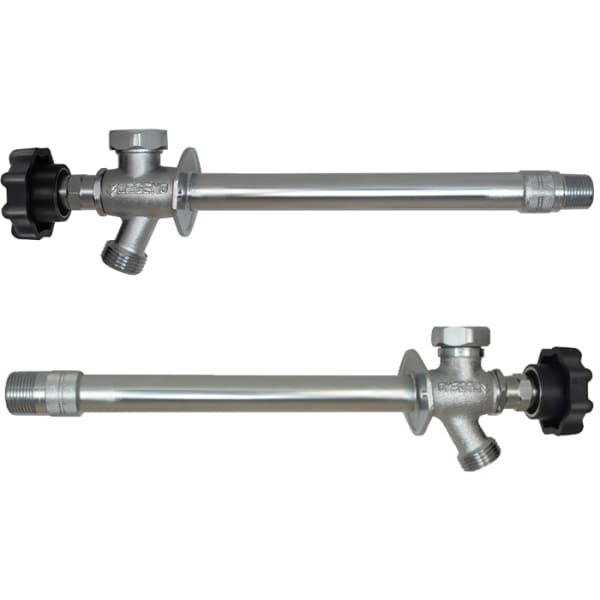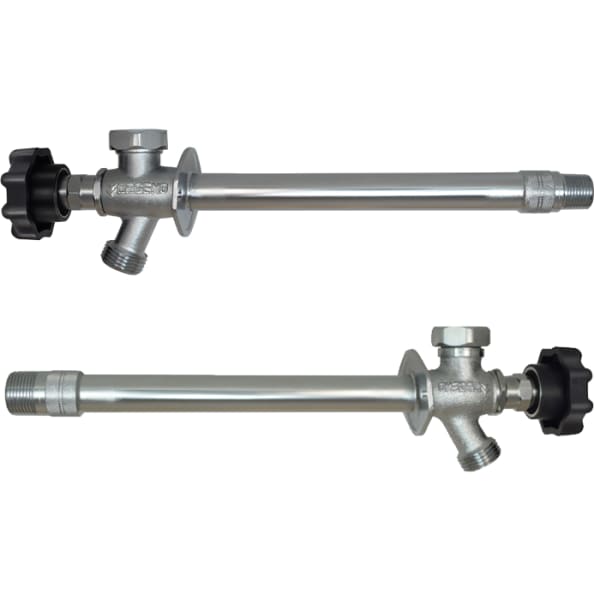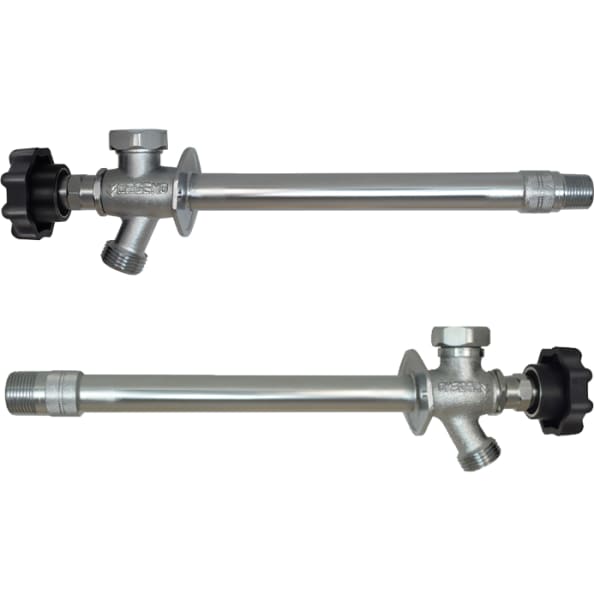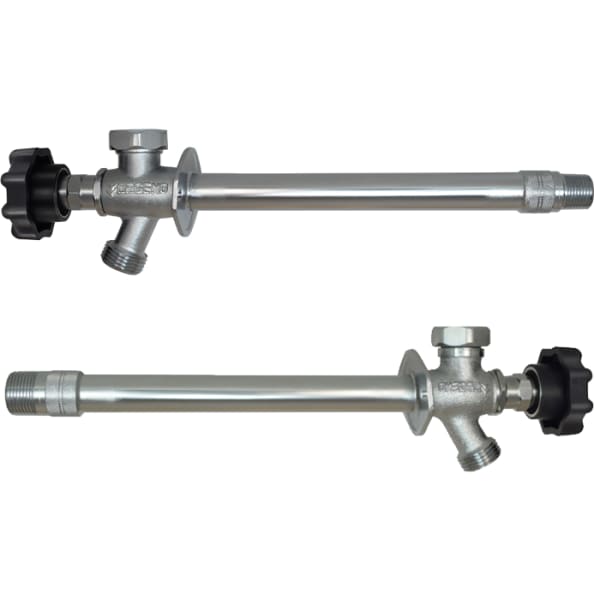
236 outdoor faucets, hydrants and the parts that keep them running: frost-proof wall hydrants (91), hydrant repair parts (59), hot and cold hydrants (28), hose bibbs (19), box hydrants (13), ground boxes (11), yard hydrants (8) and vacuum breakers (4), from Arrowhead Brass, Woodford, Legend Valve, PRIER and NDS.
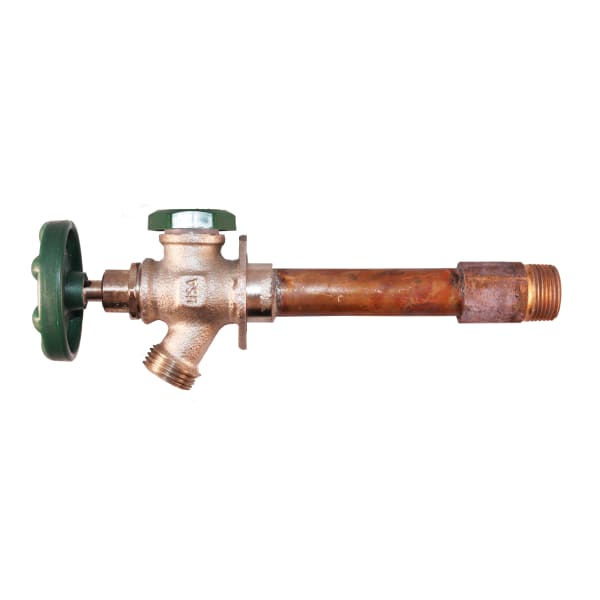
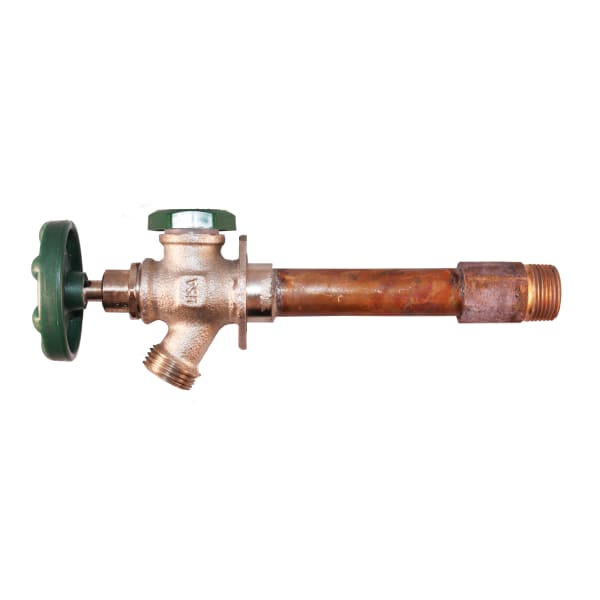
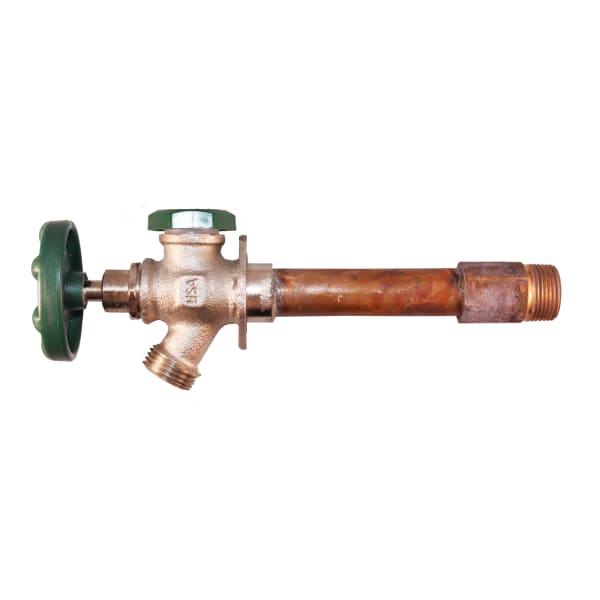
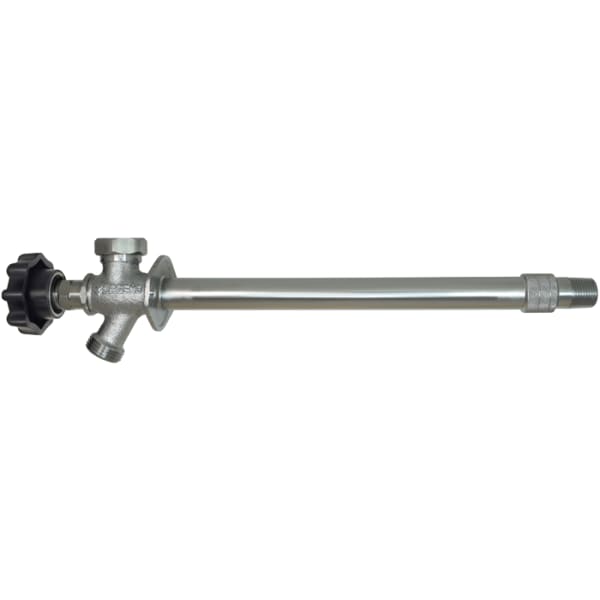
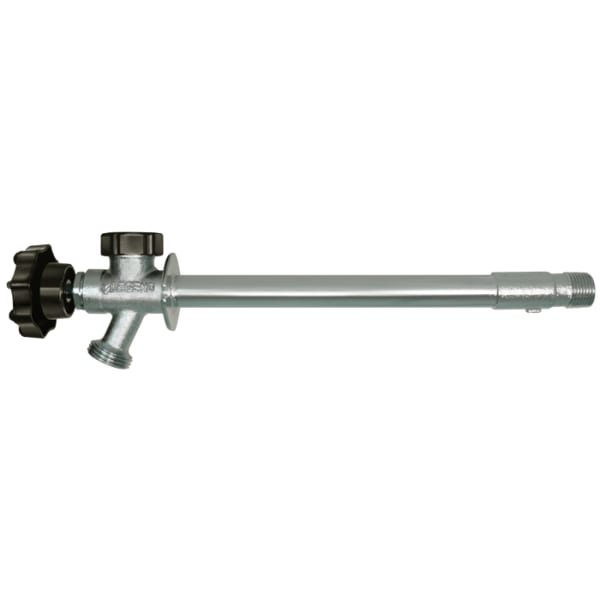
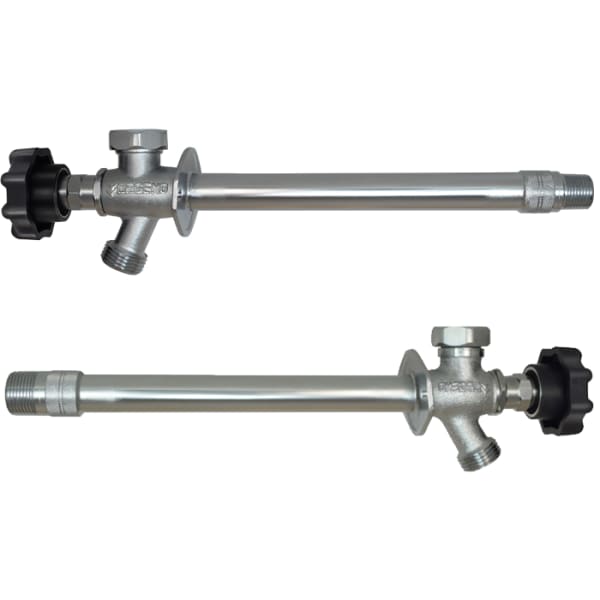
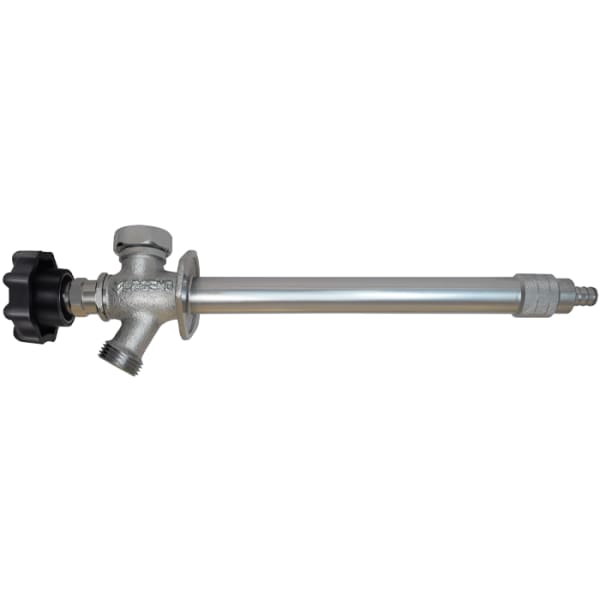
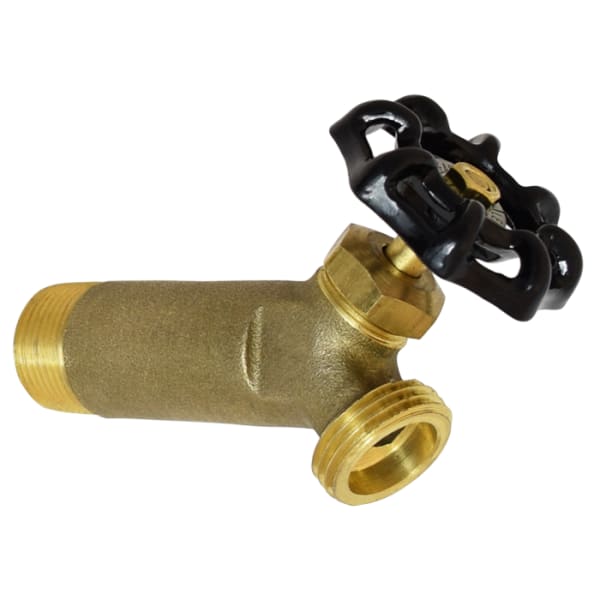
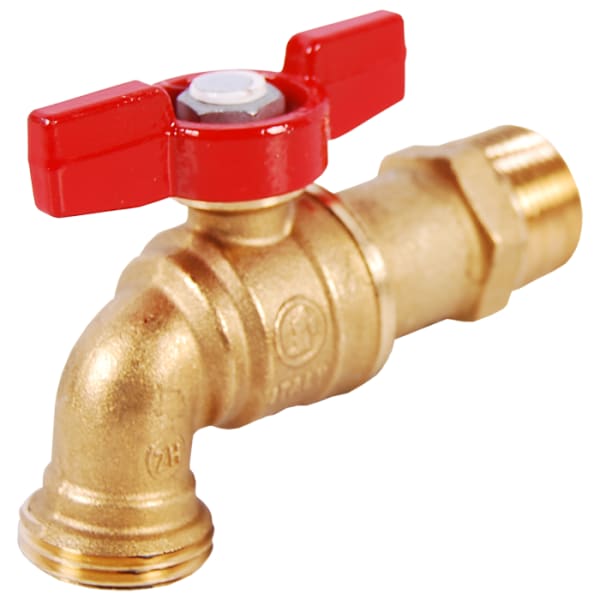
The one decision that matters is where the valve seat sits. A plain hose bibb closes right at the wall, so the body stays full of water on the cold side of the insulation and splits the first hard freeze. A frost-proof spigot — sold as a freezeless hydrant, frost-free sillcock or wall hydrant, all the same device — puts the seat on the far end of a long stem that reaches back through the wall into heated space. The water shuts off inside, and the exposed tube drains itself. Stems here run 2" through 14"; pick the length by wall thickness, measured from the mounting flange, and pick the inlet by what you are tying into: 1/2" FIP, 3/4" MIP, sweat or PEX.
A frost-proof spigot only works if two conditions hold, and one of them is the homeowner's. It has to be pitched down toward the outside so the stem can drain, and the hose has to come off before winter. A hose left connected traps a column of water against the seat, the stem cannot empty, and the freeze happens inside the wall instead of outside it — which is the expensive version. The device is not defective when this happens; it was defeated.
Wall, yard and box hydrants solve three different problems. A wall hydrant hangs off the building. A yard hydrant is a post set out in the ground away from any structure, with the shutoff down below the frost line and a drain port that empties the standpipe into a gravel bed each time it closes — Woodford's X34 and Y34 are stocked in 1 through 6 foot bury depths, chosen by local frost depth, not by convenience. A box hydrant recesses into the wall behind a lockable cover, which is what commercial and institutional work uses to keep the handle out of public reach; the Woodford B65 and B67 come in 3/4" sweat or FIP with wall depths from 4" to 12".
Hot and cold hydrants carry two supplies to one outlet for wash-down work — garages, kennels, commercial kitchens, anywhere a bucket needs tempered water outside. Arrowhead's 496 series and PRIER's C-108D are stocked in 4" through 8", horizontal and vertical.
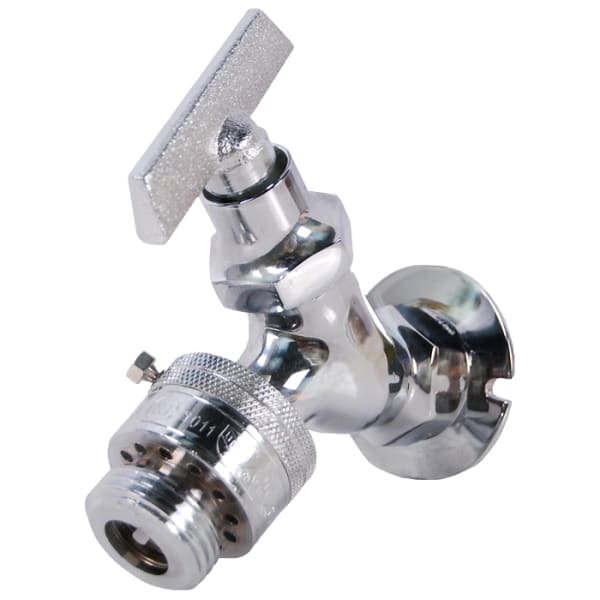
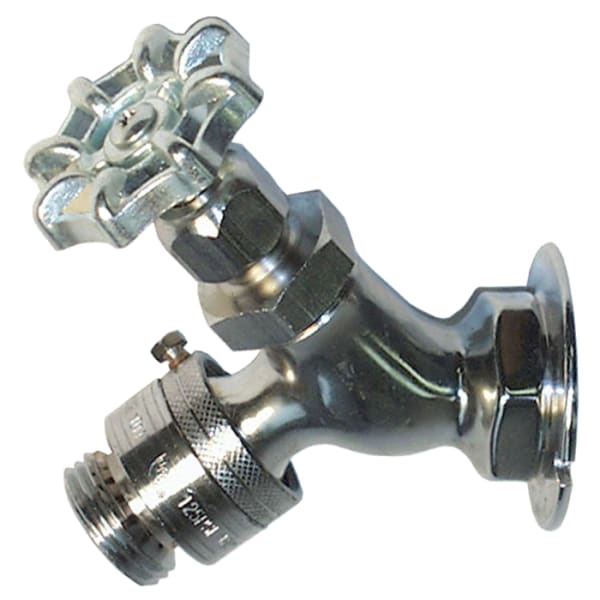
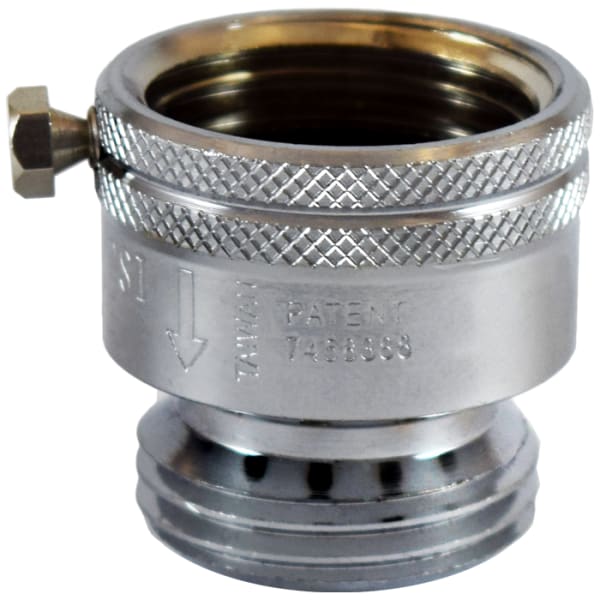
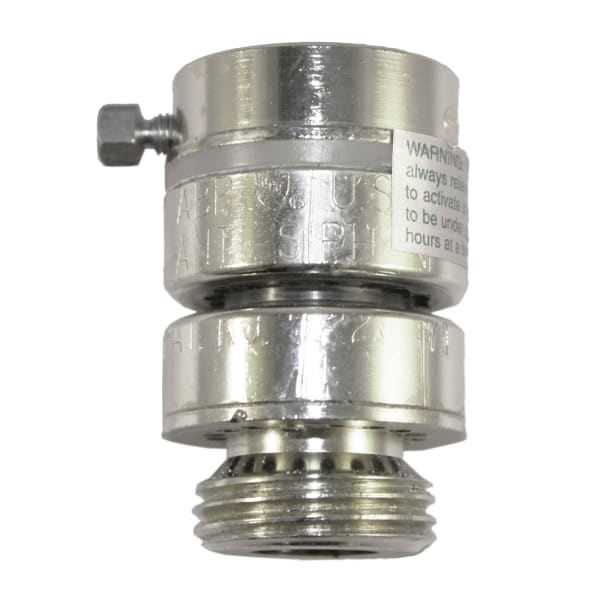
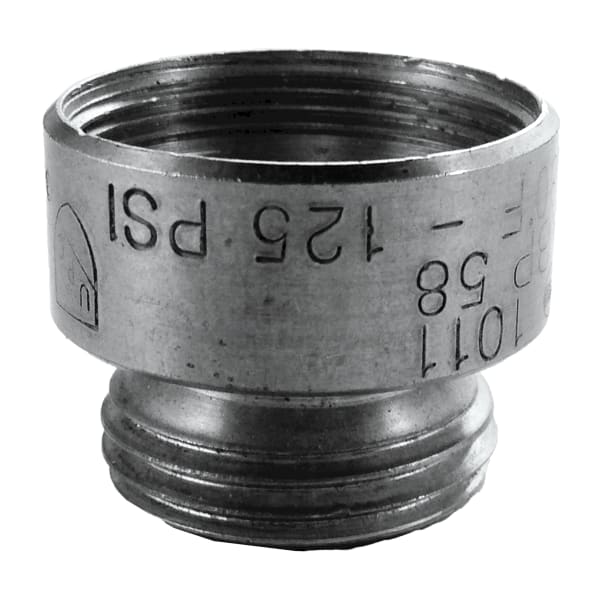
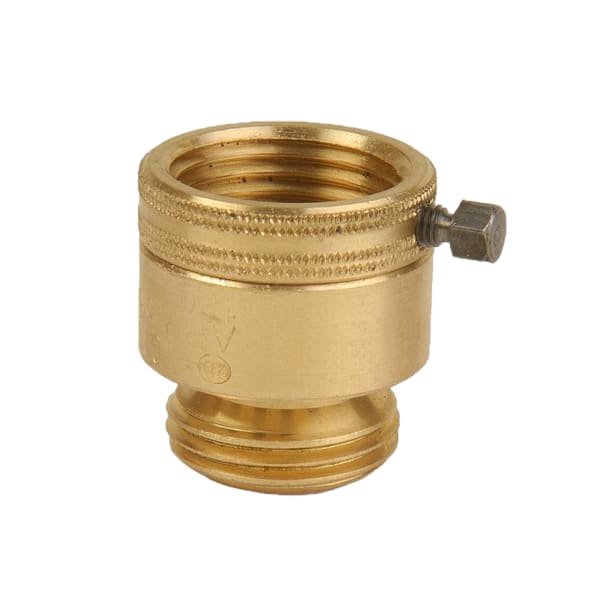
A garden hose is the most common cross-connection in a building. Drop the end in a bucket of fertilizer, a dog bowl or a pool, lose pressure on the main, and that water comes back into the potable line. Most codes now require a vacuum breaker on every hose connection, which is why the anti-siphon models here carry one built in and why loose hose connection vacuum breakers exist for the ones that do not. The broader device classes are covered on backflow preventers.
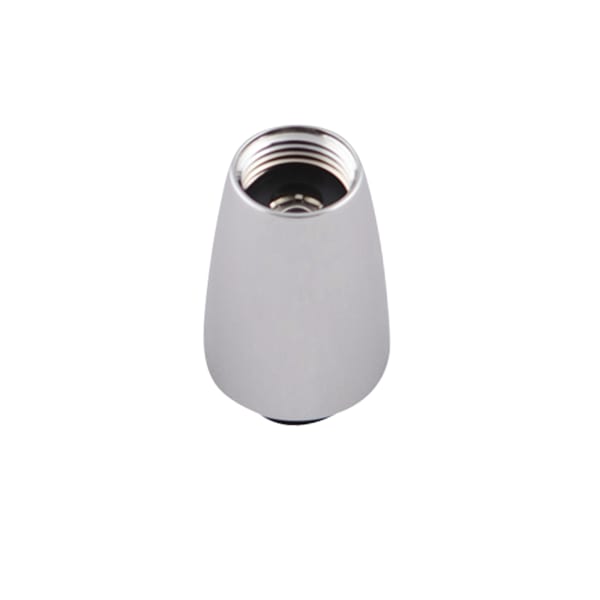
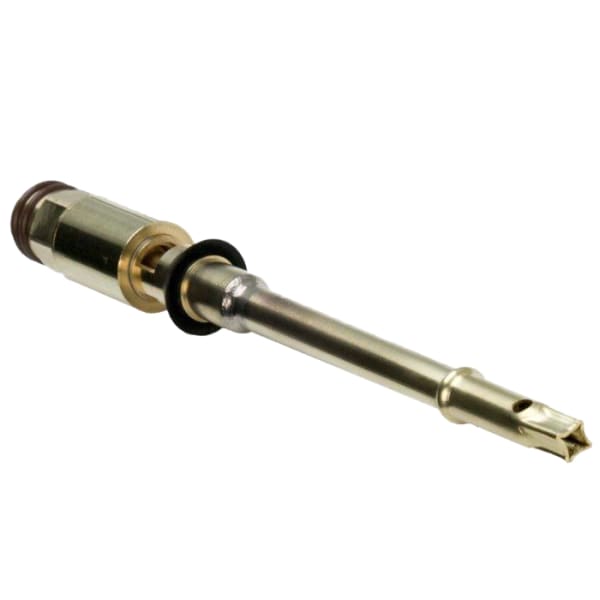
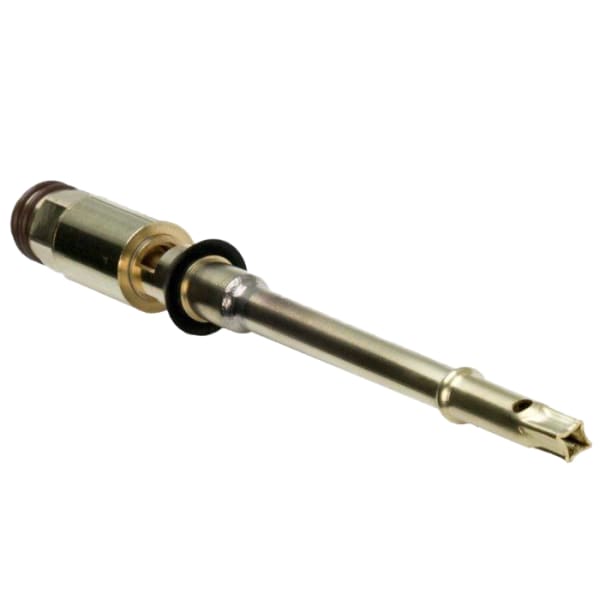
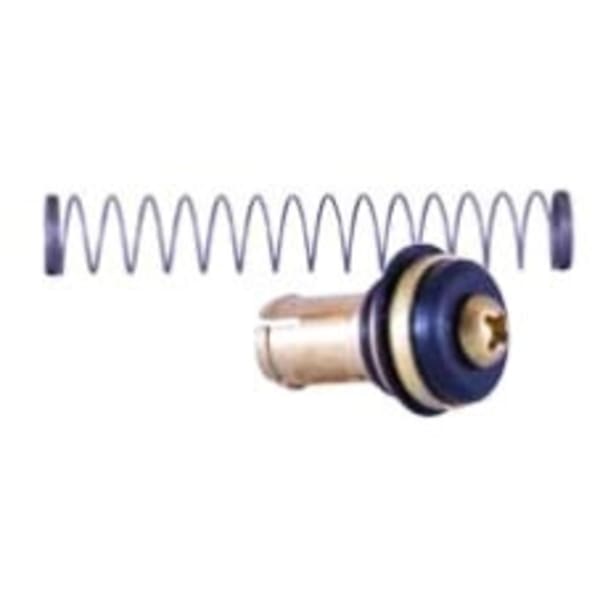
Rebuild before you open the wall. 59 of these are repair parts, and that is deliberate: a frost-proof hydrant that drips is nearly always a worn stem washer, a failed packing or a stuck vacuum breaker, none of which require touching the body buried in the wall. Arrowhead's PK series covers replacement stems, air-vent vacuum breaker assemblies and handles by hydrant series — match the part to the series stamped on the flange, not to the pipe size.
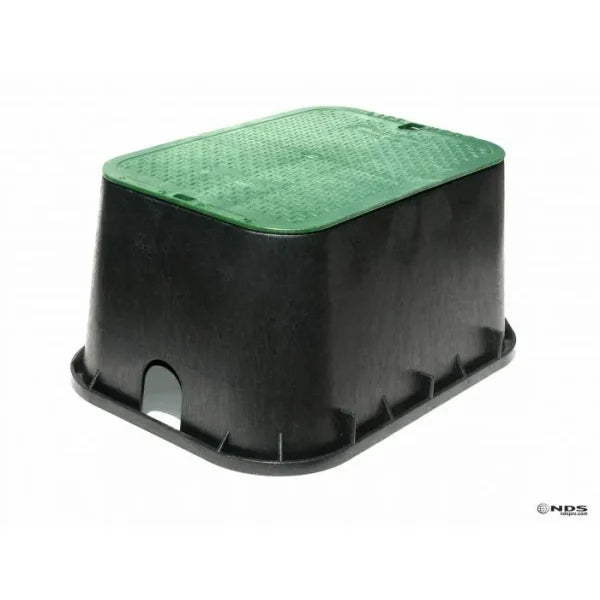
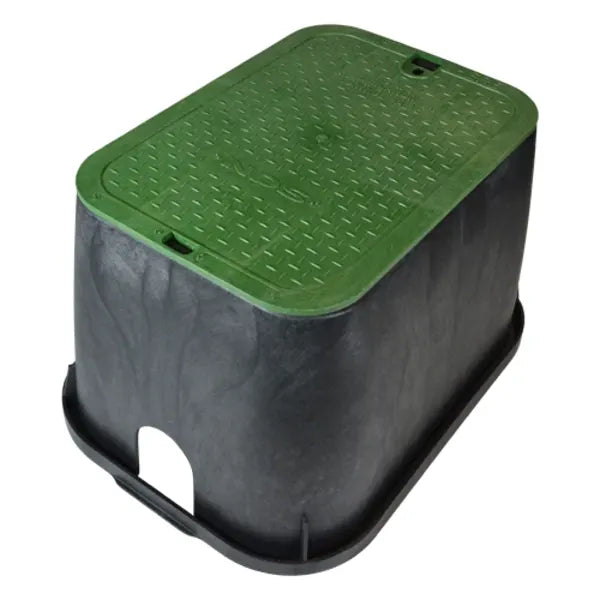
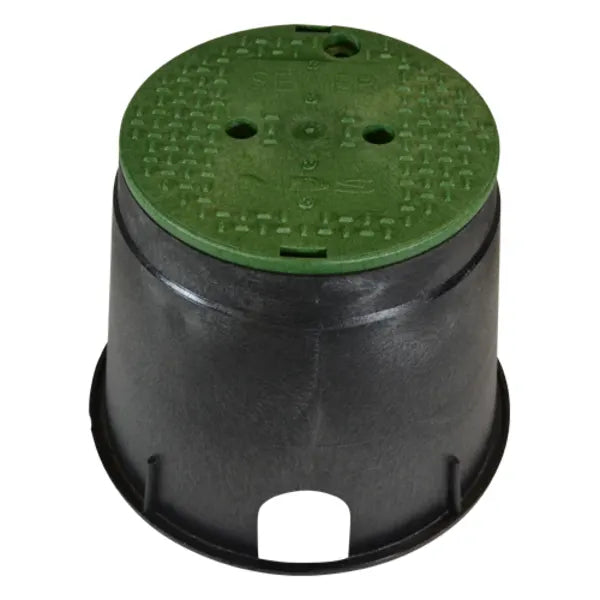
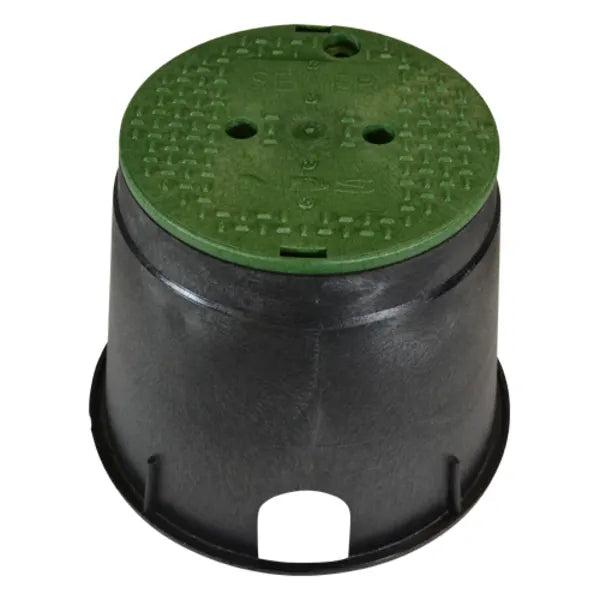
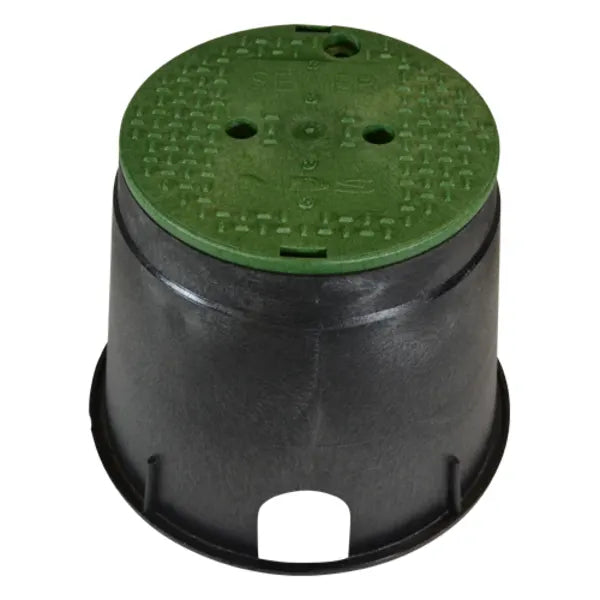
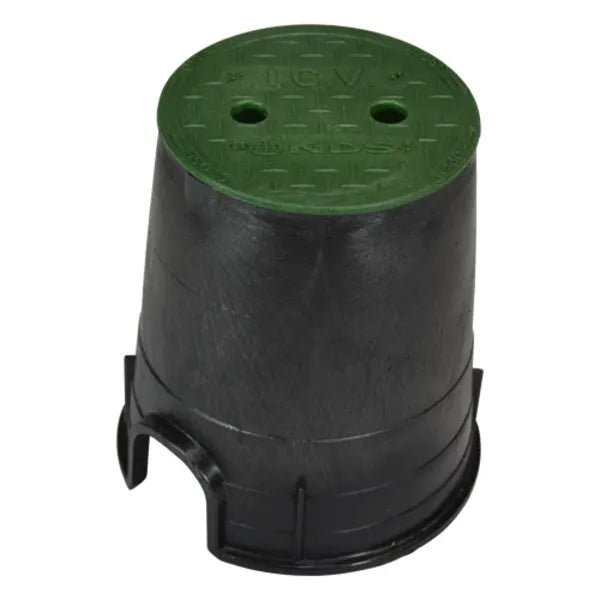
Ground boxes round out the outdoor water work: NDS valve boxes from 6" round to 14" x 19", with covers marked for irrigation control valve, water or sewer so the next person opens the right one.
Outdoor work sits alongside backflow preventers, well water treatment and valves in plumbing.