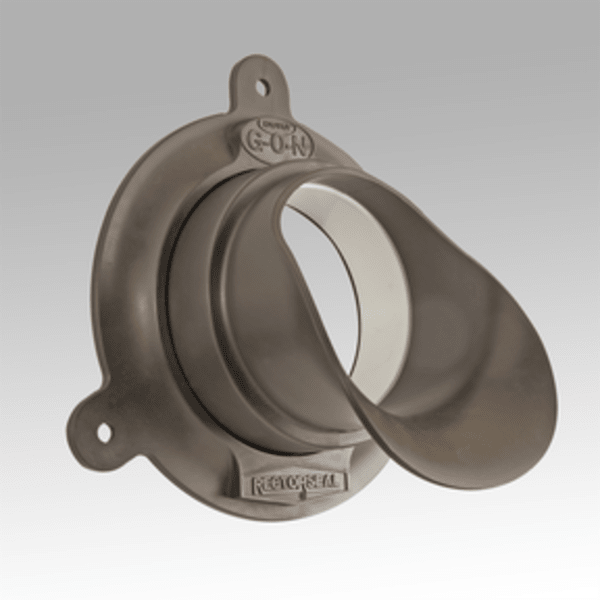
Roof drains, overflow combinations, dome strainers, water dams, underdeck clamp kits, downspout nozzles and bird screens for flat and low-slope roofs, in cast iron, ABS and PVC. Brands stocked: Sioux Chief, LSP Products, RectorSeal and Zurn.
Sizing a job? Our roof drain sizing and installation guide has the leader capacity table, the GPM formula, the overflow elevation rule under IPC 1108.1, and the full installation sequence.
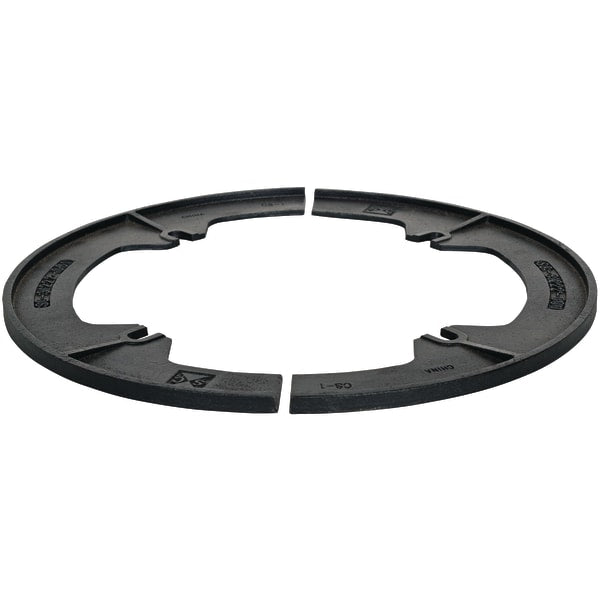
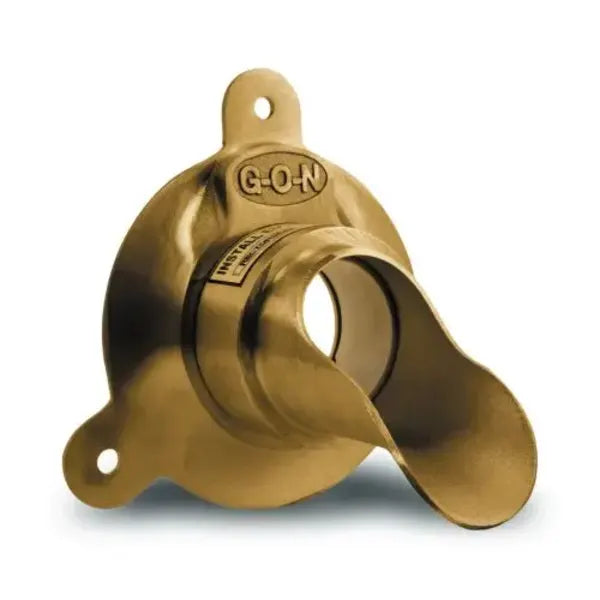
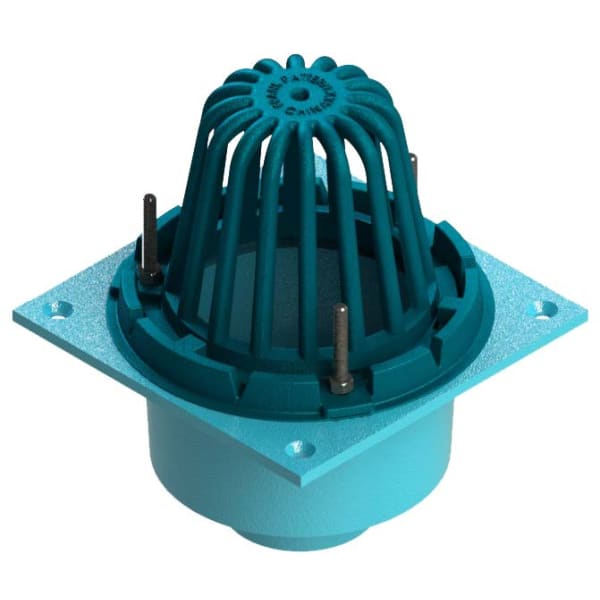
A roof drain is the fitting set into the low point of a flat or low-slope roof. It carries rainwater through the deck into a vertical leader, also called a conductor, and from there into the storm system. Where water leaves through a parapet wall instead of the deck, the opening is a scupper; where the leader discharges at grade or through a wall face, the fitting is a downspout nozzle. A complete drain is a sump receiver, the body, a combination membrane clamping collar and gravel guard, a dome strainer, usually an underdeck clamp, and a No-Hub coupling. Commercial cast iron drains such as the Sioux Chief 868 series are built to ASME A112.6.4.
Fifteen-inch cast iron bodies with 3", 4", 6" and 8" No-Hub outlets are the commercial standard. Combination drains put the primary and the overflow in one body with the overflow inlet raised; IPC 1108.1 puts that secondary inlet not less than 2 inches and not more than 4 inches above the roof low point, and requires the inlet and outlet of each drain to stay independent. Water weighs about 5.2 pounds per square foot per inch of depth, so an overflow that runs in ordinary rain is telling you the primary is already restricted.
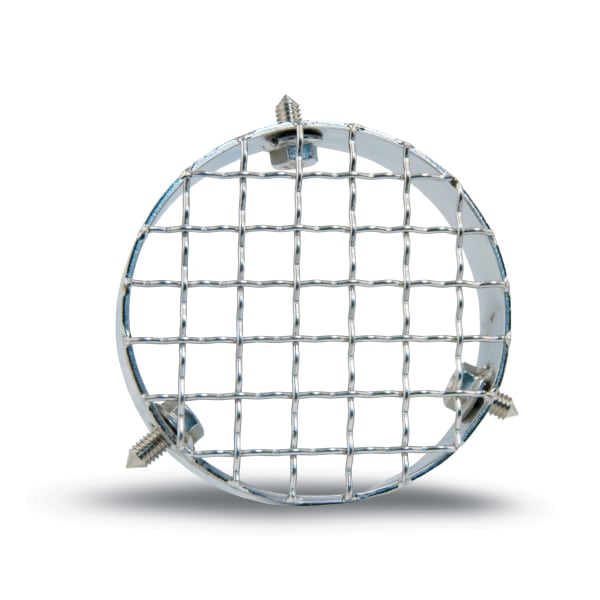
The dome strainer is not optional. It keeps leaves and gravel out of the leader and is the single most common missing part on an older roof; a drain running without one blocks the horizontal line rather than the drain itself, which is far harder to clear.
Related: Floor drains · Trench drains · ABS DWV fittings · PVC DWV fittings · Sewer and drain fittings