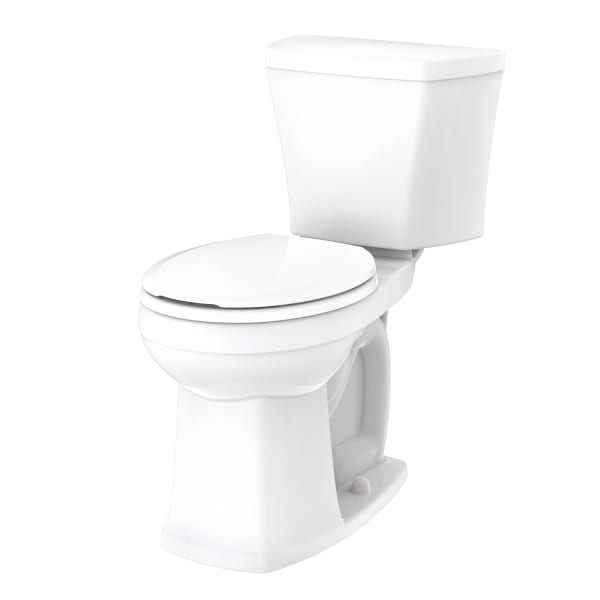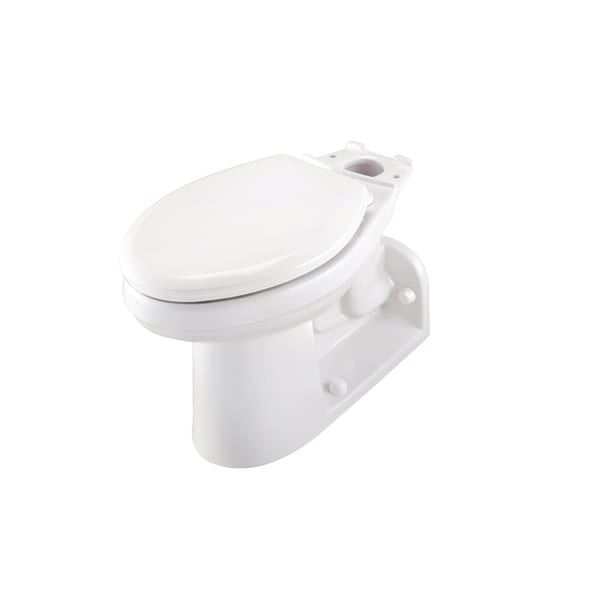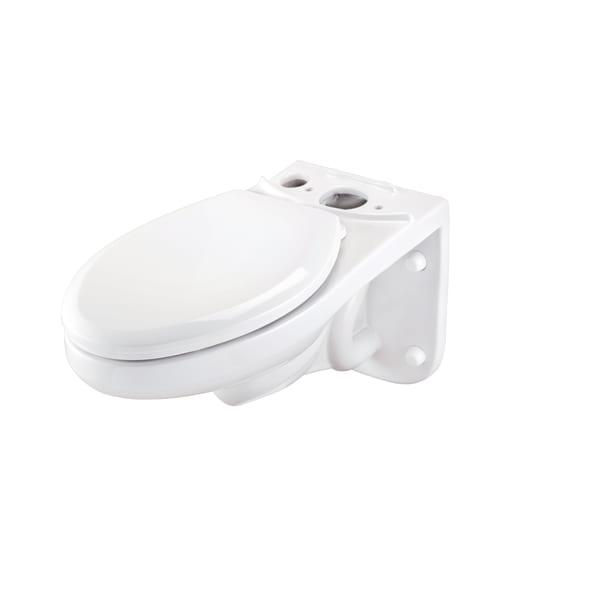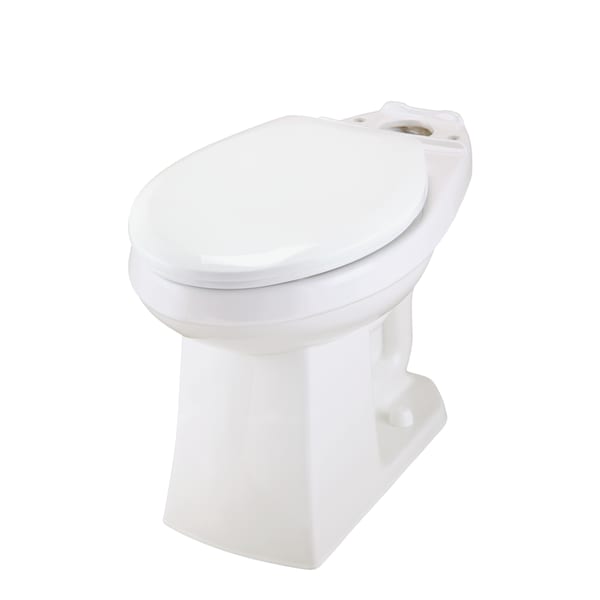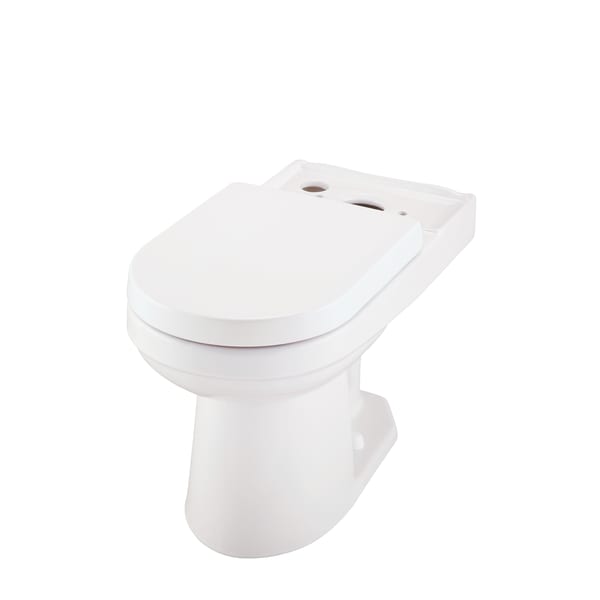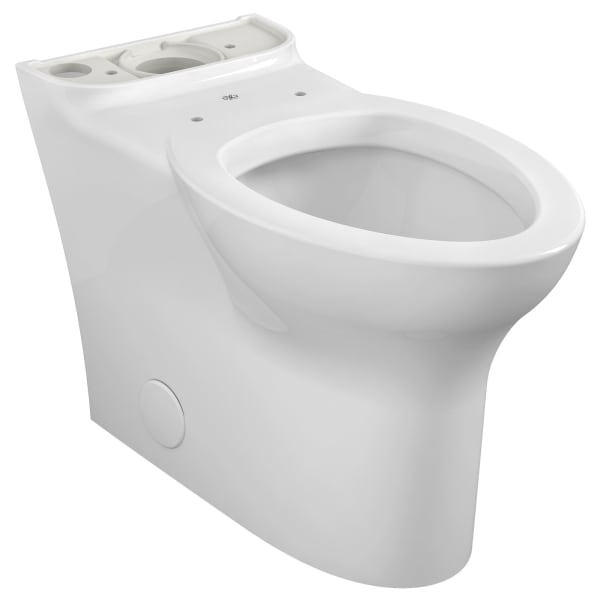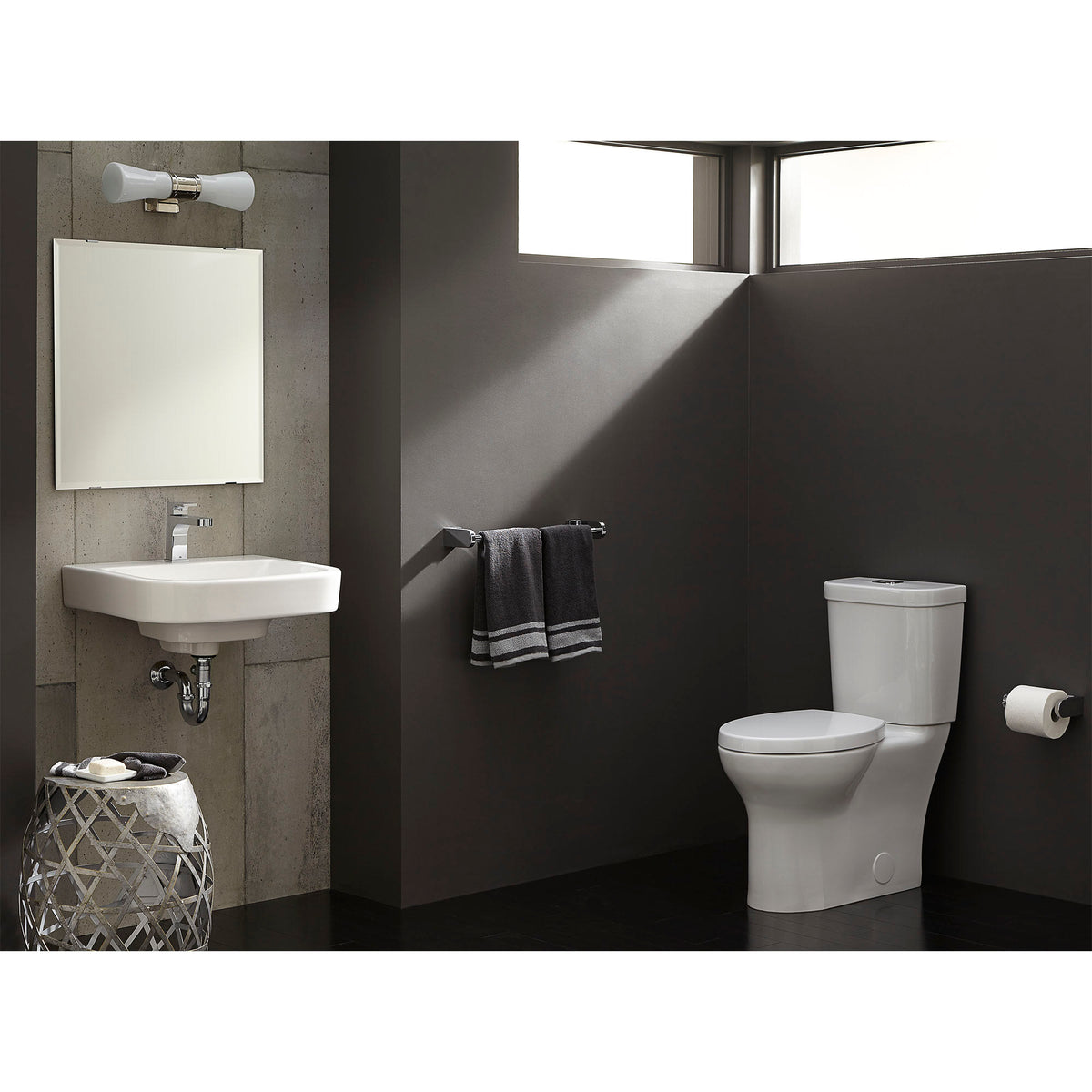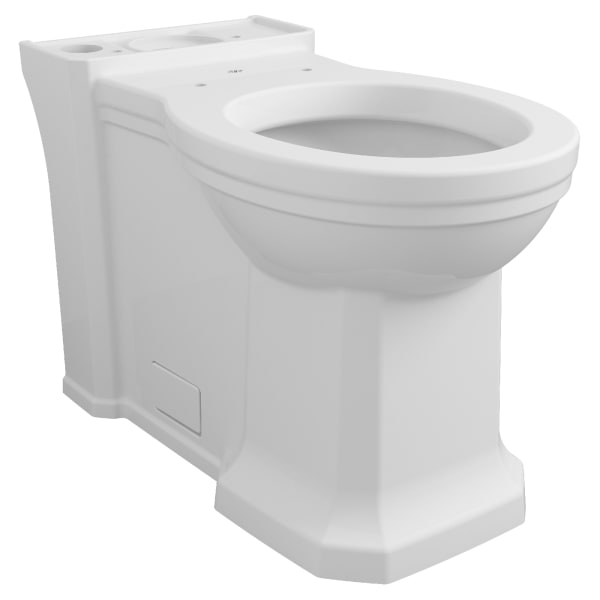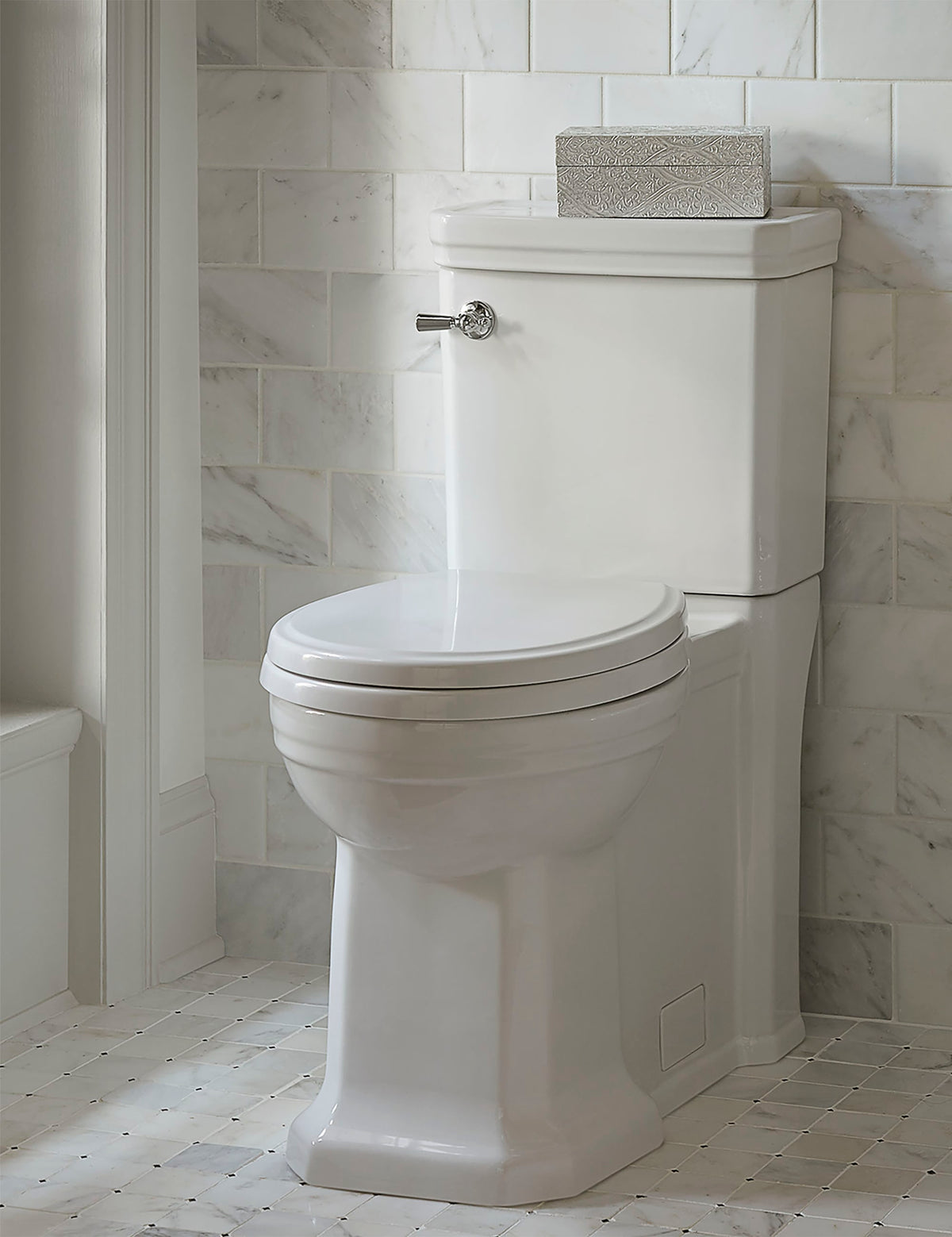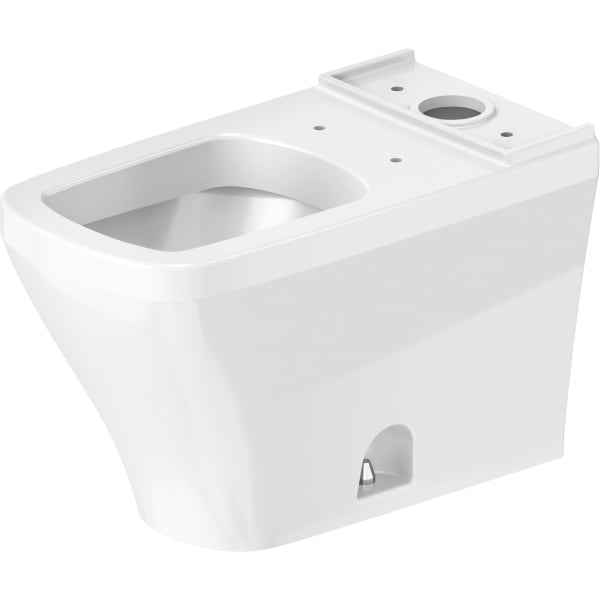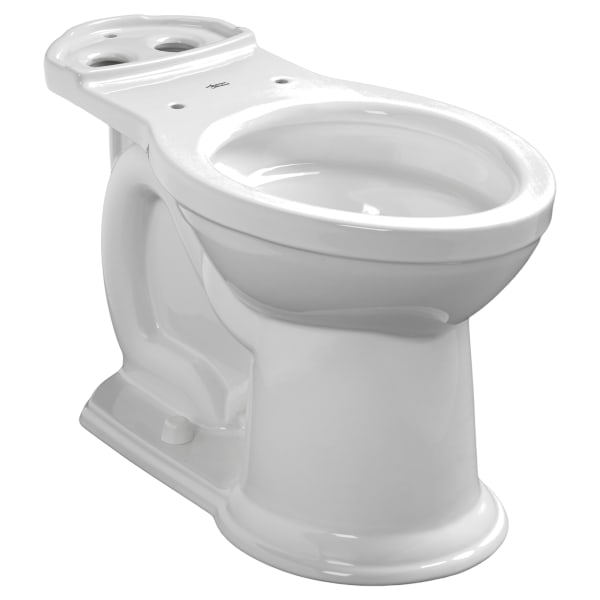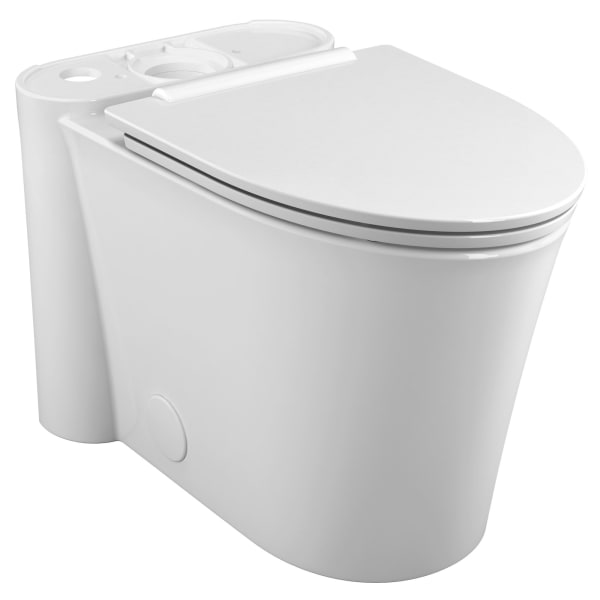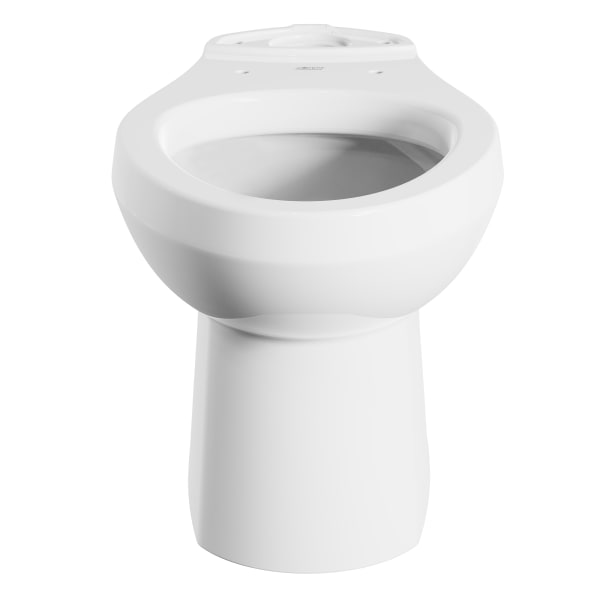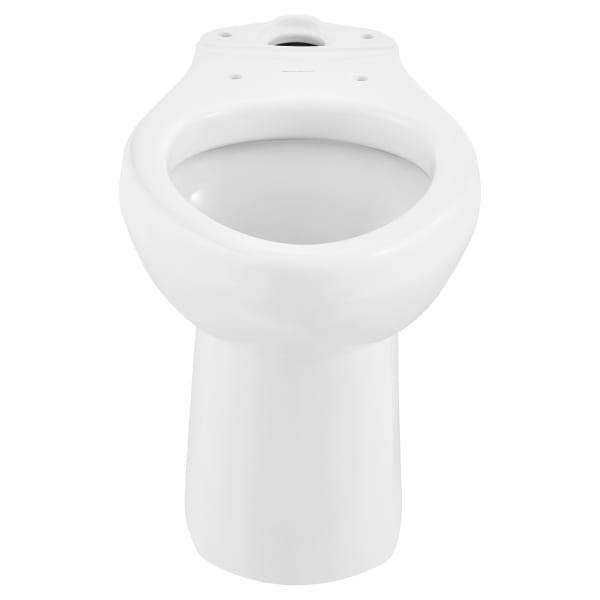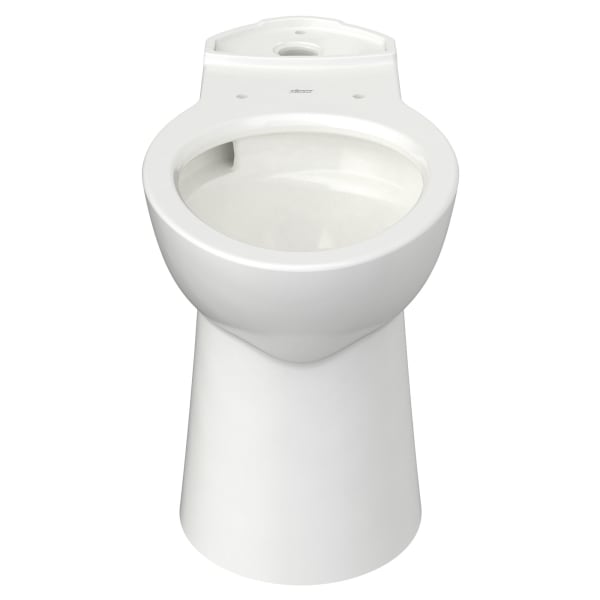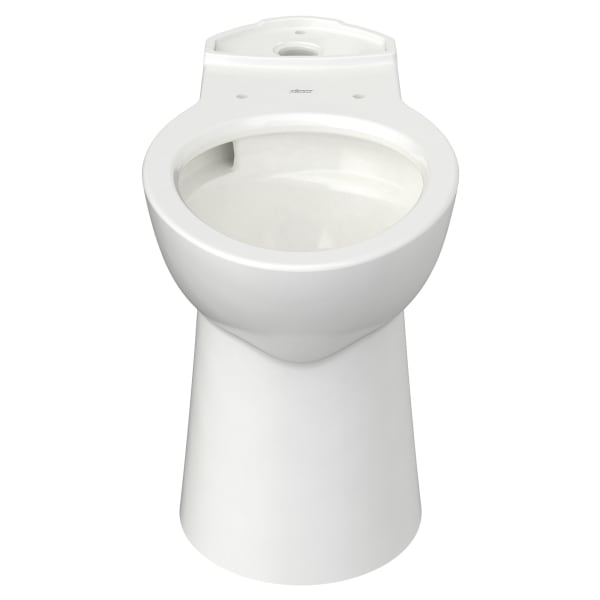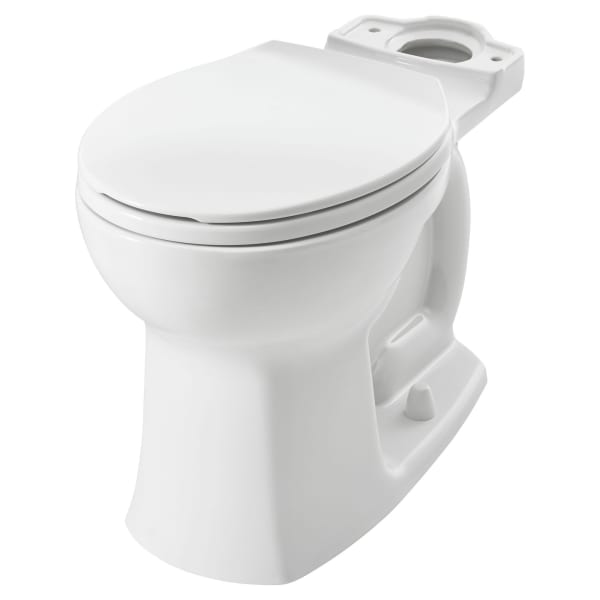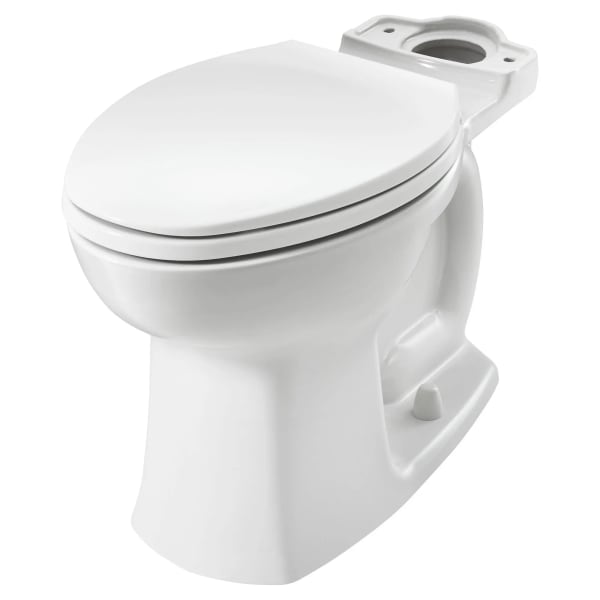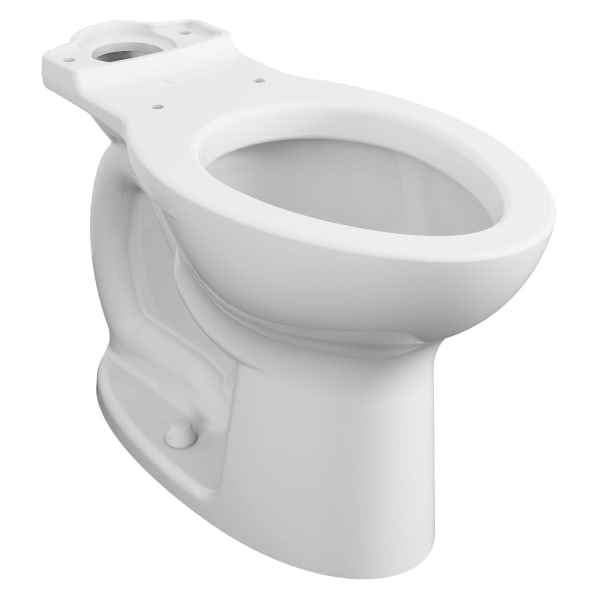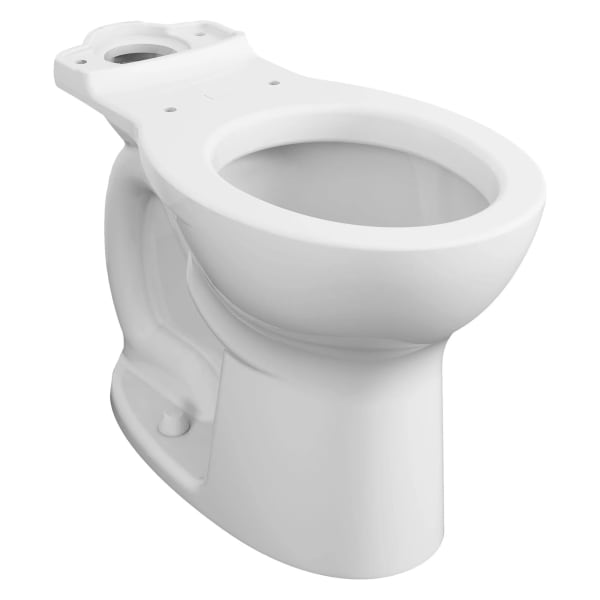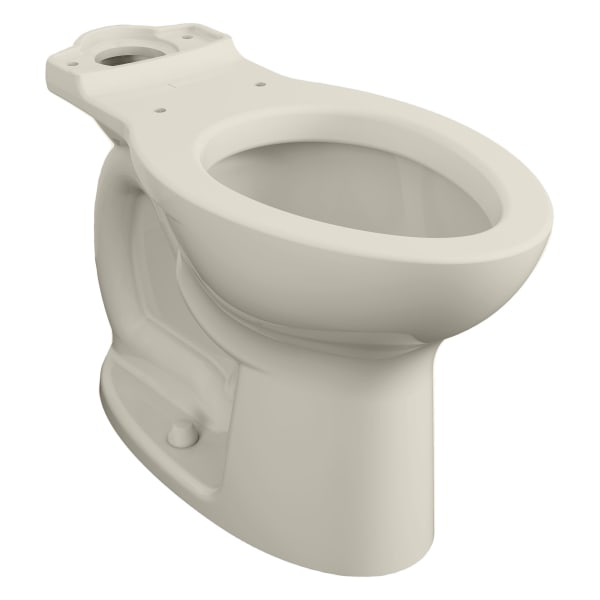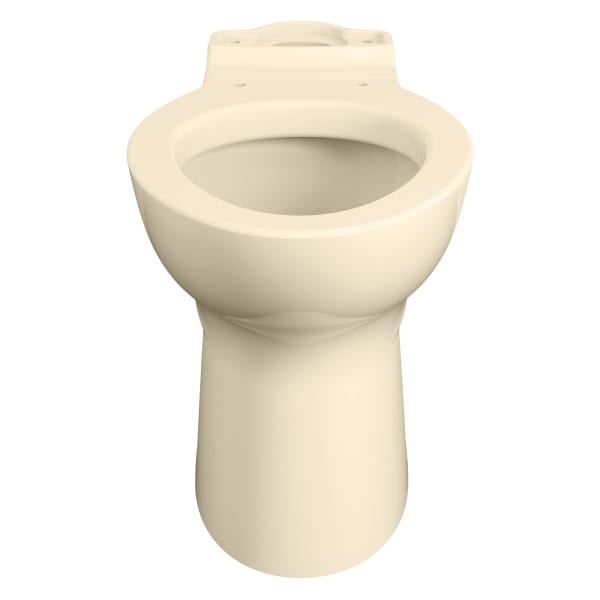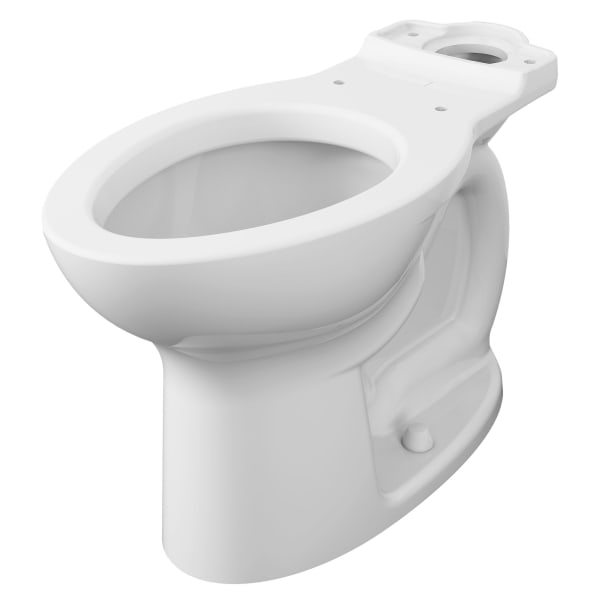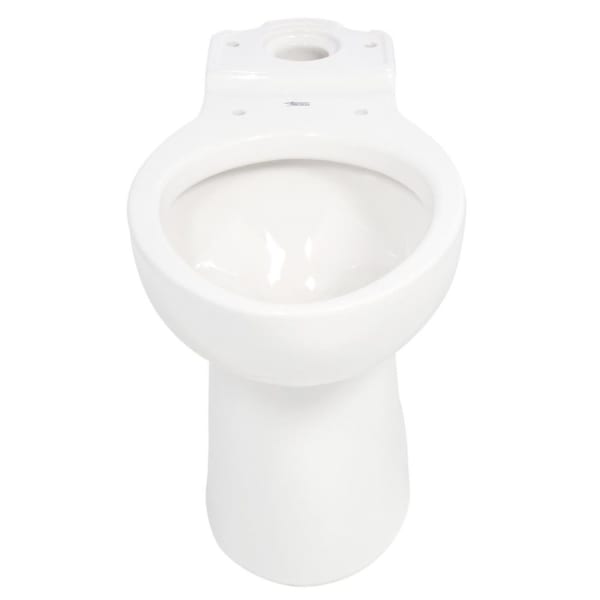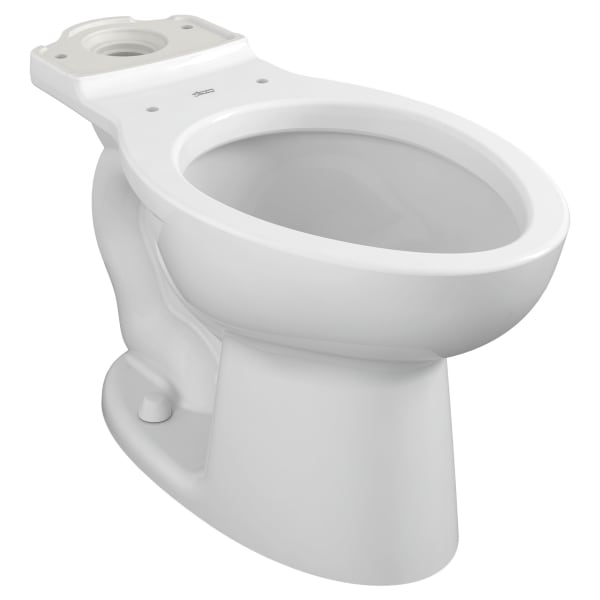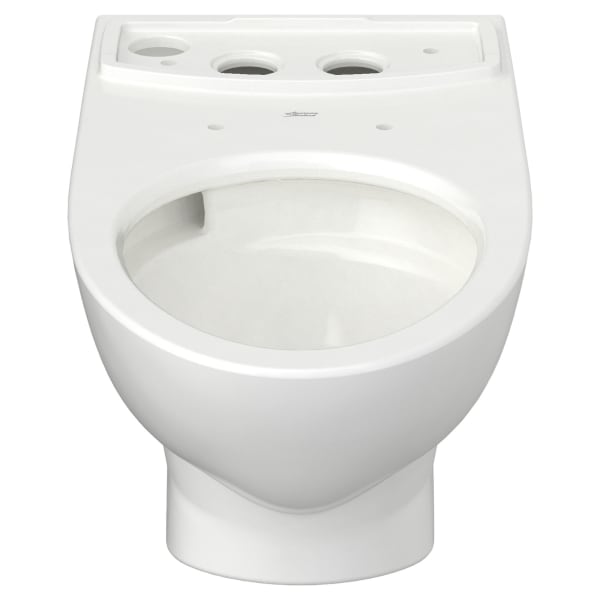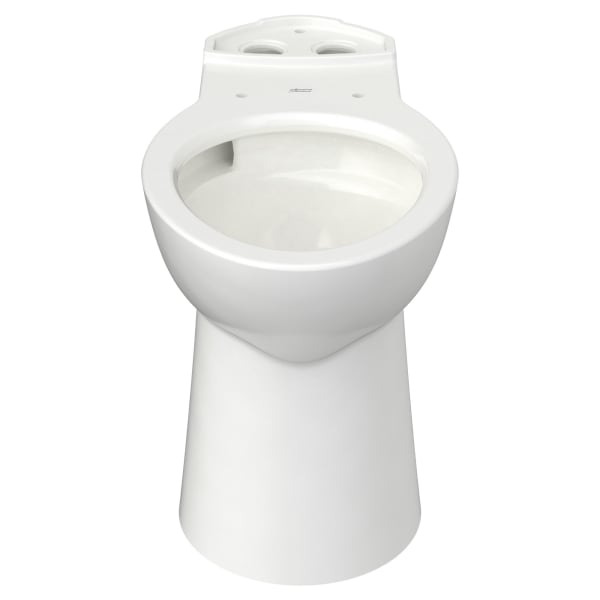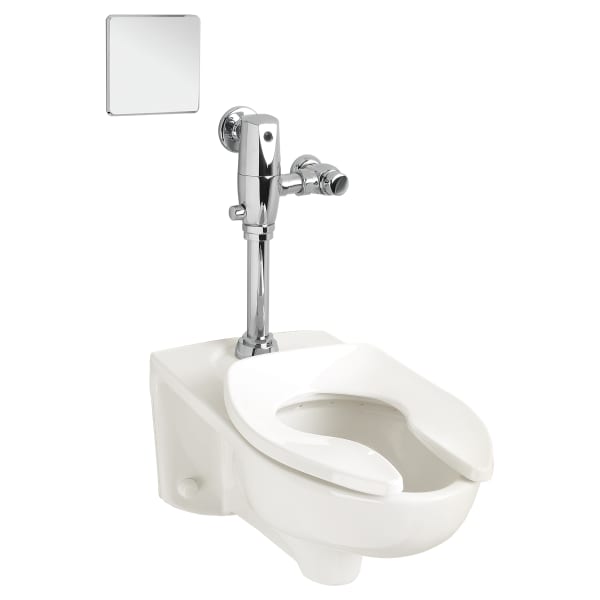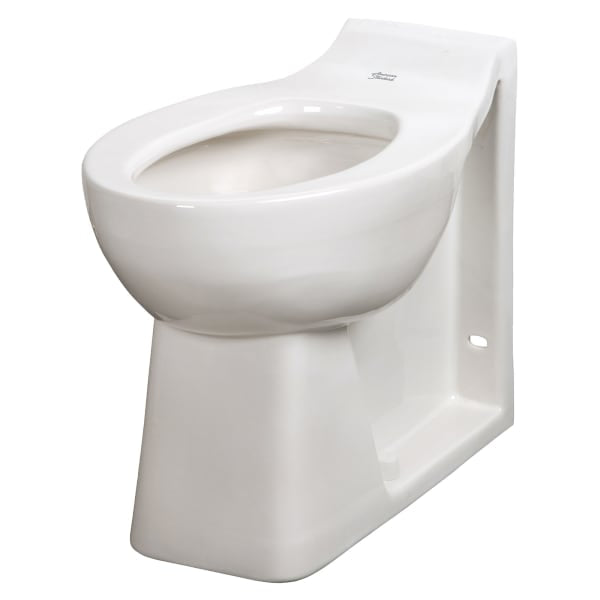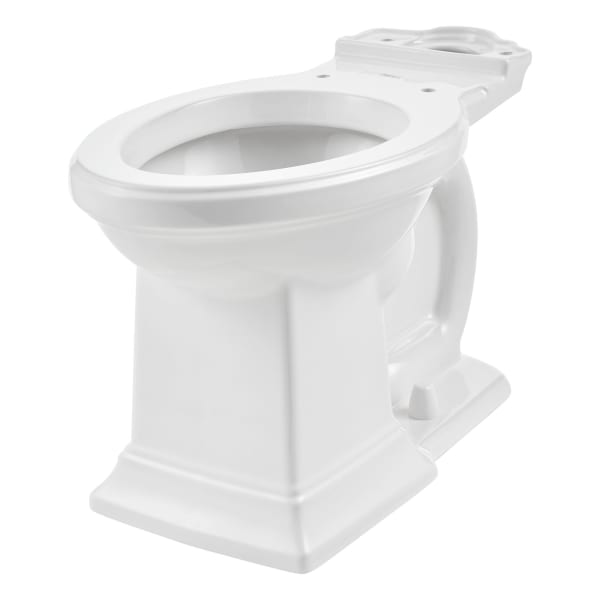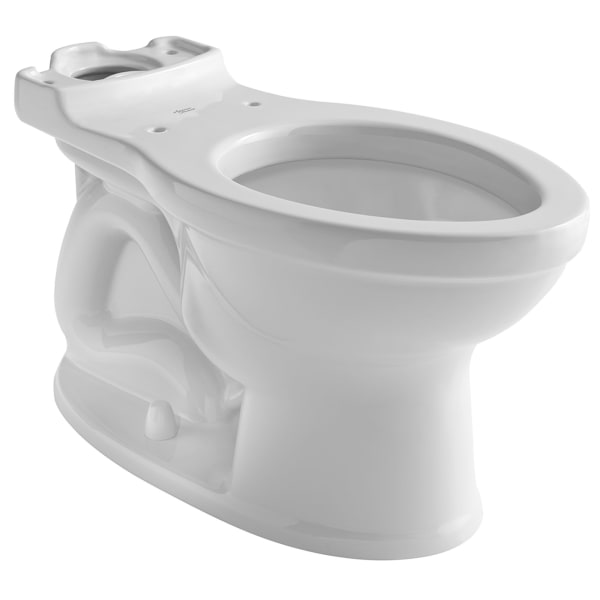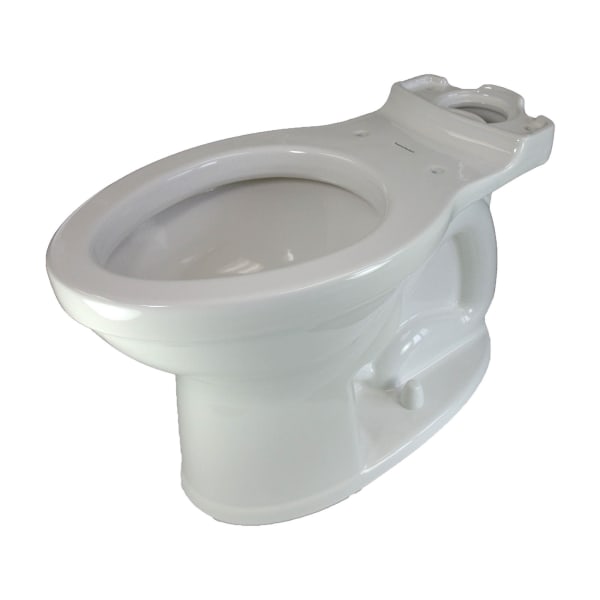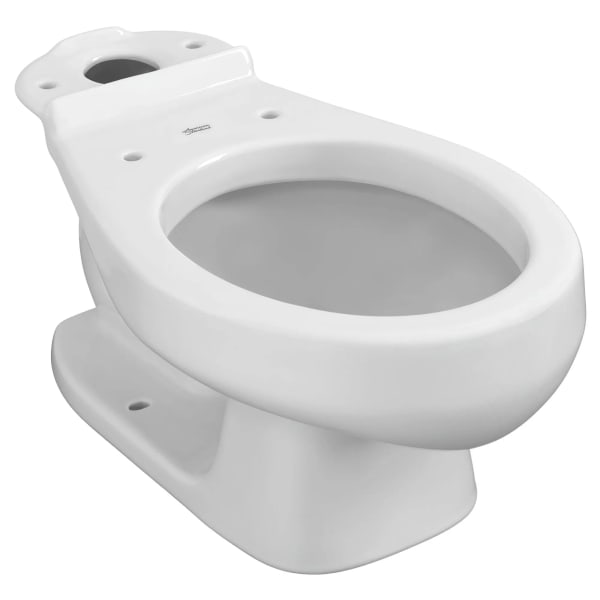
One hundred six toilet bowls sold separately from the tank, for two-piece installations, wall-hung carriers and commercial flushometer applications. From American Standard (46), TOTO (36), Gerber (20), Duravit (2) and DXV (2), $97 to $809. The matching toilet tanks are on their own page.
Elongated or round front
An elongated toilet bowl runs about two inches longer front to back and is the more comfortable of the two, which is why 83 of the bowls here are elongated. Round front - 16 of them - buys those two inches back, and that matters more often than people expect: a door that swings into the fixture, a vanity opposite, a powder room where the code clearance in front of the bowl is already tight. Measure the space in front of the flange before you decide on comfort.
Chair height, comfort height and right height are the same thing
Three names, one specification. All of them mean a bowl whose rim sits roughly 16-1/2 to 18 inches off the floor instead of the traditional 14-1/2 to 15. Twenty-four bowls here are called out as chair or right height. Standing up off one is easier on knees and hips, which is the whole point - and it is also why it has quietly become the default in new residential work.
One measurement detail people get wrong: the height that matters is to the top of the seat, not the rim. A seat adds roughly half an inch to an inch, so a 17-inch rim and a thick seat can land above the range you were aiming for.
What ADA actually requires
Thirteen bowls here are specifically called out as ADA, including American Standard's Afwall ADA Retrofit. It is worth being precise about what that means, because the bowl is only one input. The standard asks for a seat top between 17 and 19 inches, clear floor space beside and in front of the fixture, a flush control on the open side of the approach, and an operating force that a closed fist can manage. A chair height bowl makes compliance possible; the installation, the seat and the flush control decide whether you get there. If you are specifying for a commercial job, work from the drawing, not from the product page.
Rough-in: check it, and know where to find it
Rough-in is the distance from the finished wall to the centreline of the closet bolts. Twelve inches is standard; 10" and 14" exist in older construction, and a bowl for the wrong rough-in will not sit against the wall.
Being straight about a gap in our own listings: only one of these 106 states the rough-in in the title. Work from the model number, or from the manufacturer's spec sheet for that model. And if the flange is in the wrong place and moving the drain is not realistic, the TOTO Unifit adapters convert a single bowl between 10", 12" and 14" - that is exactly the problem they exist to solve.
Three different machines: tank-type, wall-hung and flushometer
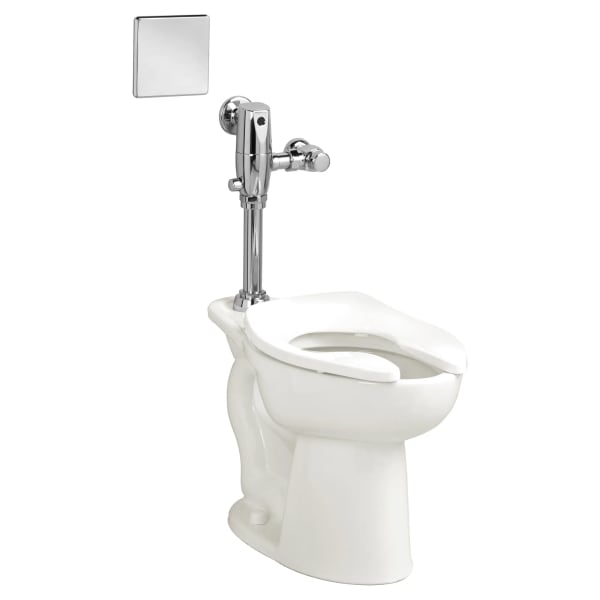
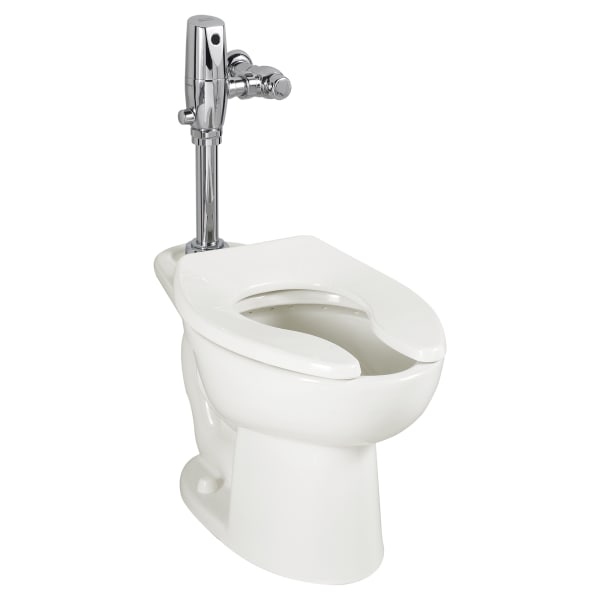
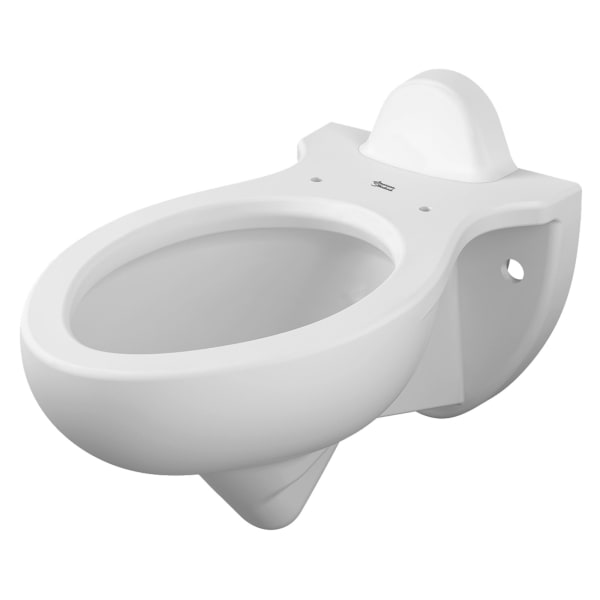
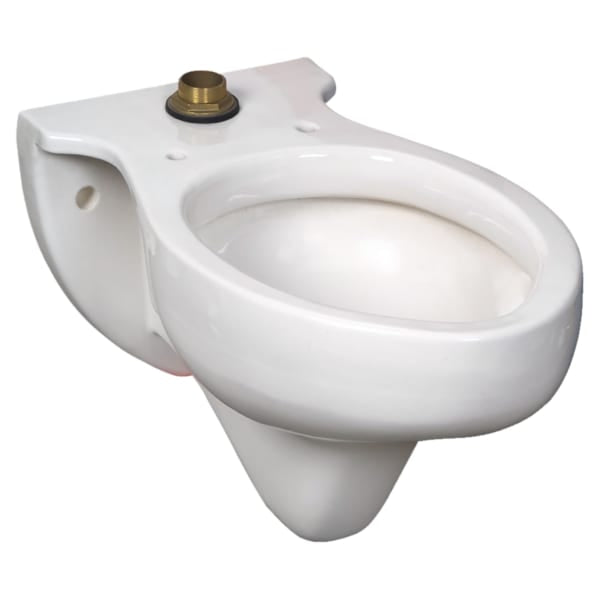
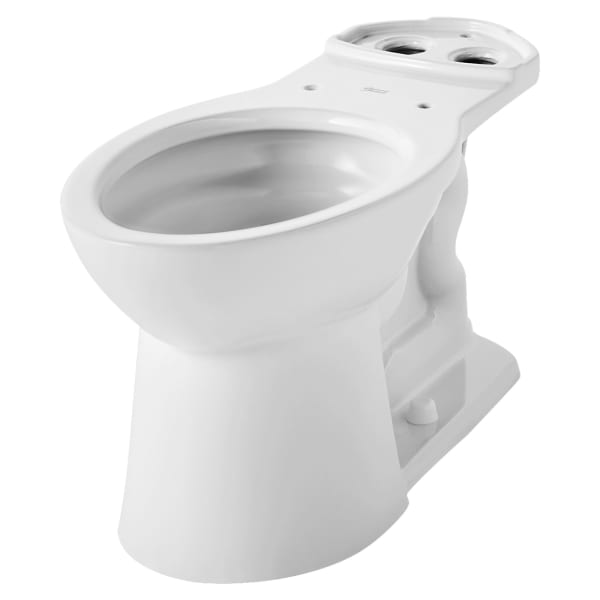
Eighty-nine of these are conventional tank-type bowls for a two-piece toilet. Ten are wall-hung, which carry no weight on the floor and need a carrier inside the wall - the Geberit and Grohe in-wall carriers are with the toilet repair parts. Seven are floor-mount flushometer bowls with no tank connection at all: they take a spud and a flush valve fed straight off the supply, which is why you see them in schools and offices where a tank could not refill fast enough between uses.
Thirteen bowls carry a spud - ten top spud, three back spud - and the two are not interchangeable. Top spud takes the flush valve above the bowl; back spud takes it behind, through the wall. Match it to the valve and the wall penetration you already have.
Skirted bowls and EverClean
Ten of these are skirted: the trapway is concealed behind a smooth outer wall instead of the usual moulded contour. The reason is cleaning - there is no channel behind the bowl to reach into. The trade-off is that skirted bowls usually mount with a bracket system rather than plain closet bolts, so read the install instructions before you assume it drops onto the existing flange. Thirteen bowls carry American Standard's EverClean glaze, and seven ship with a seat included.
Match the bowl to the tank
Four of these are pressure assist bowls, which only work with a pressure assist tank - the vessel is in the tank, and the bowl's trapway is sized for that discharge. The same logic holds more generally: flush volume, trapway and tank outlet are engineered as a set. Buy the bowl and the tank from the same model family, and if you are replacing only one half, match the model number on the piece you are keeping.
Related
See also replacement toilet tanks, toilet fill valves and repair parts, toilet seats, wax rings and closet bolts, one-piece toilets, and the angle stop and supply line the tank sits on. Everything else is in the bathroom department.